


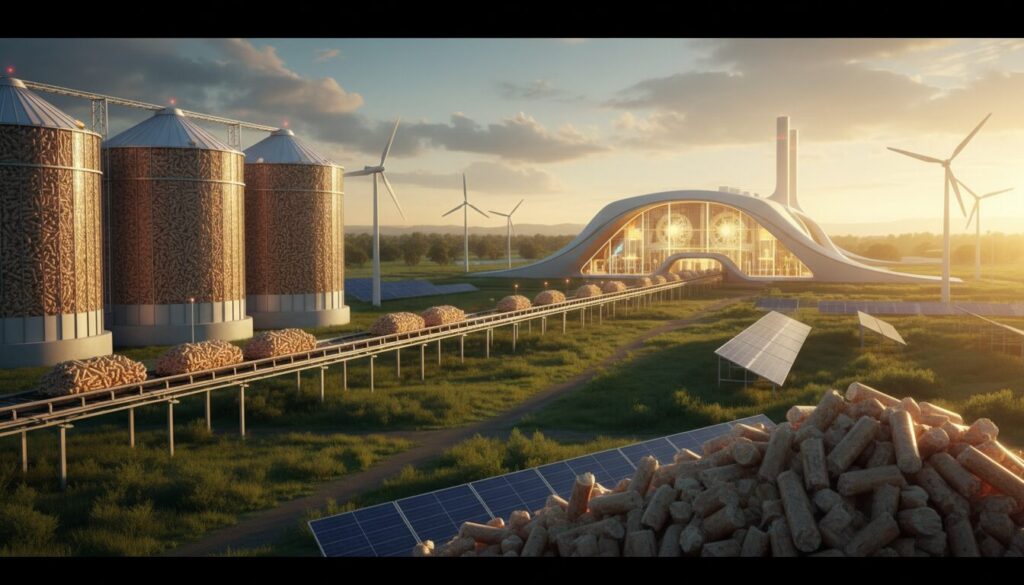
The Future of Renewable Energy: Why Wood Pellets Are Leading the Charge
Welcome to the forefront of a greener tomorrow, where traditional fossil fuels are rapidly being replaced by more sustainable options. In the quest to mitigate climate change and reduce our carbon footprint, the world is turning its attention to innovative solutions that can seamlessly integrate into our existing infrastructure. The urgency of the global climate crisis, highlighted by ambitious international treaties, demands immediate, scalable action. Among the most promising of these solutions, the Wood Pellet stands out as a highly efficient and versatile source of power.
As we transition toward cleaner power generation, understanding the multifaceted role of Renewable Energy is absolutely essential for policymakers, businesses, and everyday homeowners alike. This tiny but mighty cylinder of compressed biomass is quietly revolutionizing how we heat our homes and power our heavy industries. By offering a dependable and carbon-neutral form of alternative energy, biomass fuels are proving that nature itself, combined with human ingenuity, holds the key to solving our modern energy crisis.
In this comprehensive guide, we will explore everything you need to know about this remarkable fuel source. From the fundamental science and engineering behind its production to the massive global market driving its widespread adoption, you will discover why it is capturing the attention of energy experts worldwide. Join us as we delve into the environmental benefits, sweeping economic advantages, and cutting-edge technological innovations that are permanently cementing its place in the future of global power generation.
Understanding the Basics: What is a Wood Pellet?

When we talk about transitioning away from fossil fuels, one of the most prominent topics of discussion is biomass. At the heart of this important conversation is the Wood Pellet, a small, densely packed cylindrical form of biomass fuel. But what exactly goes into making this highly efficient energy source? Essentially, these pellets are manufactured from compacted sawdust, wood chips, bark, and other industrial waste products generated by lumber milling, furniture manufacturing, and large-scale forestry operations. By repurposing materials that would otherwise be discarded to rot or be burned inefficiently, manufacturers create a valuable form of alternative energy that burns cleanly, consistently, and reliably.
The manufacturing process itself is a true marvel of modern engineering and resource optimization. Raw wood materials are first gathered, thoroughly dried to a highly specific moisture content, and then ground down into a fine, uniform powder. This powder is subsequently pushed under immense mechanical pressure through a specialized die, which extrudes it into the familiar small cylinders. The lignin naturally present in the wood fibers melts under this pressure and acts as a biological binder. This crucial detail means no artificial glues, synthetic resins, or harmful chemicals are required to hold the structure together, guaranteeing that the final product is a 100% natural form of Renewable Energy.
Because they are incredibly dense and have a meticulously controlled low moisture content—typically kept well below 10%—they offer a remarkably high combustion efficiency. This makes the Wood Pellet significantly more effective than traditional firewood, providing a consistent, high-BTU heat output that is absolutely vital for both home heating and large-scale power generation. Furthermore, the uniform size and shape of the pellets allow them to be easily stored, efficiently transported in bulk, and seamlessly fed into automated heating systems, making them as convenient for the end-user as they are environmentally friendly.
Environmental Impact: Why Wood Pellet Fuel is a Sustainable Choice
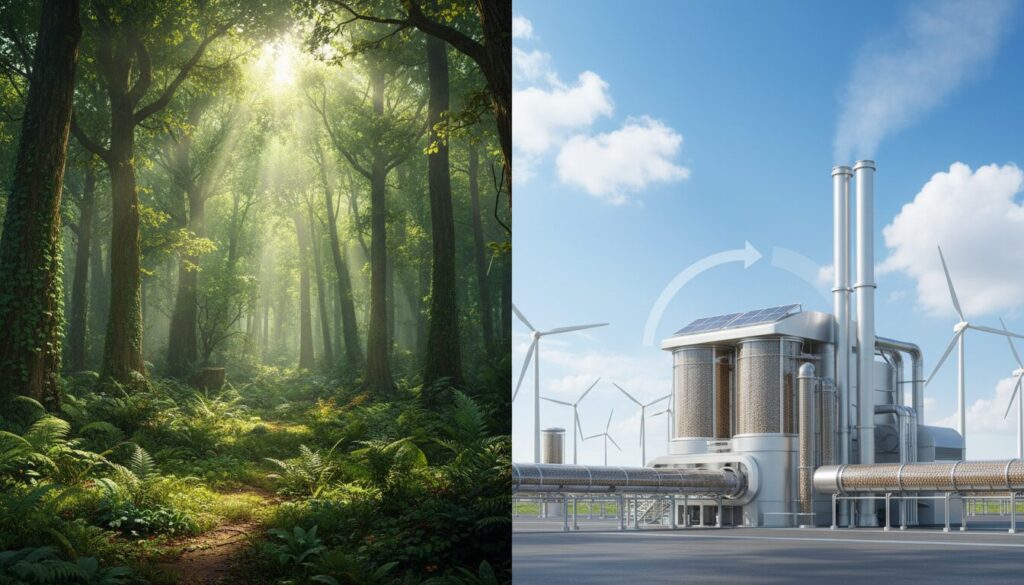
As global awareness regarding climate change reaches an all-time high, the demand for environmentally friendly power solutions has never been more urgent or critical. The Wood Pellet represents a highly sustainable choice that significantly reduces greenhouse gas emissions when compared to legacy fossil fuels like coal, oil, or natural gas. One of the primary environmental benefits of this alternative energy source is its closed-loop, carbon-neutral life cycle. When a tree grows, it actively absorbs carbon dioxide from the atmosphere through the natural process of photosynthesis. When the resulting wood is later burned for energy, it releases only that exact same amount of carbon dioxide back into the air, creating no net increase in atmospheric carbon over its lifecycle.
This biogenic carbon cycle contrasts starkly with fossil fuels, which extract and release millions of years’ worth of deeply stored carbon into the modern atmosphere, directly accelerating global warming. Moreover, the production of the Wood Pellet actively helps solve a massive, often overlooked waste management problem. By utilizing forestry residues, thinnings, and sawmill byproducts, the industry prevents these organic materials from decomposing uncontrollably in landfills. Left to rot, this wood waste would naturally emit methane—a potent greenhouse gas with a warming potential drastically higher than carbon dioxide. Harnessing this raw waste to produce Renewable Energy thus serves a brilliant dual environmental purpose.
Additionally, modern pellet stoves, boilers, and industrial furnaces are explicitly designed with advanced combustion technology. They burn the fuel at such high temperatures and with such precision that particulate matter and ash emissions are kept to an absolute minimum, ensuring drastically better localized air quality. Strict international regulations and sustainability certifications, such as those provided by the Forest Stewardship Council (FSC) or the Sustainable Biomass Program (SBP), further guarantee that the biomass is sourced ethically. These rigorous certifications ensure that local biodiversity is protected, soil health is strictly maintained, and forest ecosystems continue to naturally thrive.
The Growth of the Global Wood Pellet Market in Renewable Energy
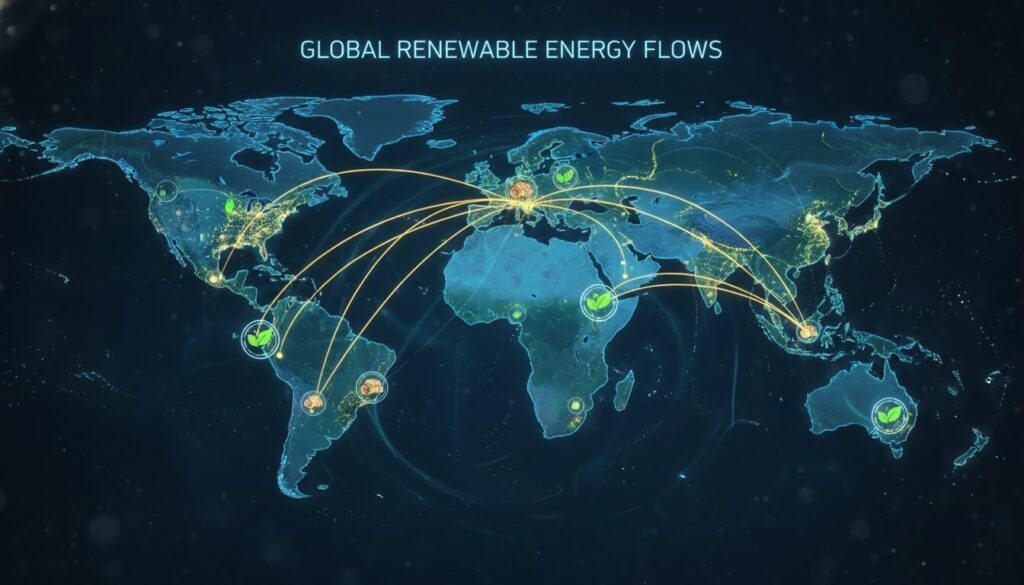
The global energy landscape is currently undergoing a massive and rapid transformation, and the market for biomass fuels is expanding at an unprecedented rate. Over the past decade, the international demand for the Wood Pellet has skyrocketed, heavily driven by stringent government climate policies, ambitious national decarbonization targets, and a rapidly increasing public preference for clean alternative energy. Europe has traditionally been the epicenter of this market boom, deeply incentivized by the European Union’s aggressive energy directives. Countries such as the United Kingdom, Denmark, and the Netherlands have boldly transitioned massive, formerly coal-fired power plants to run exclusively on sustainable biomass.
This monumental shift has decisively proven that large-scale, national reliance on Renewable Energy is not just a theoretical environmental concept, but a highly practical and functioning reality. However, this impressive growth is no longer confined solely to the European continent. The Asia-Pacific region, particularly nations like Japan and South Korea, has rapidly emerged as a major, hungry consumer base. Following historical energy crises and a desire to move away from nuclear dependency, these countries overhauled their energy strategies to heavily incorporate secure and safe green energy sources, leading to a massive spike in biomass imports.
Meanwhile, North America continues to fiercely dominate the global production and supply side of the market. The highly forested Southeastern United States and parts of Canada act as the primary, high-volume exporters of premium biomass. The supply chain has organically evolved into a highly sophisticated global logistical network, featuring specialized bulk cargo ships, massive climate-controlled storage domes, and advanced port facilities designed specifically to keep the product dry across long ocean voyages. As more nations strive to urgently meet their climate commitments, the market is perfectly poised for continued, robust, and lucrative expansion well into the future.
Industrial and Residential Applications for Wood Pellet Heating

The incredible versatility of the Wood Pellet is a primary reason it has become such a prominent, irreplaceable player in the global energy transition. Its diverse applications seamlessly span a wide spectrum, ranging from cozy residential living rooms to colossal, gigawatt-scale industrial power plants. In the residential sector, modern homeowners are increasingly turning to dedicated pellet stoves and automated boilers as a highly cost-effective and environmentally friendly way to heat their homes through freezing winters. Unlike traditional, labor-intensive wood-burning stoves, these modern appliances provide the ultimate convenience of automated climate control.
Equipped with integrated storage hoppers, these advanced residential systems slowly and precisely feed the fuel into the burn chamber at a controlled rate, dictated by a programmable digital thermostat. This provides a steady, even, and highly comfortable heat that requires very little user intervention, seamlessly combining the rustic, visual charm of a real fire with the modern, hands-off convenience of central heating. This makes it a highly desirable form of alternative energy for off-grid homes, rural cabins, or anyone simply looking to disconnect from expensive, unpredictable natural gas networks.
On the industrial scale, the applications are even more technologically impressive and impactful. Large utility companies are actively co-firing or entirely replacing pulverized coal with biomass to generate baseload electricity for millions of homes and businesses. The high energy density and consistent burn rate of the Wood Pellet make it a perfect, straightforward drop-in replacement for coal. Beyond electricity generation, heavy, energy-intensive industries such as commercial agriculture, cement manufacturing, and large-scale textile production utilize massive biomass boilers for essential process heat. By boldly adopting this Renewable Energy solution, these historically high-polluting sectors can drastically and rapidly reduce their corporate greenhouse gas emissions.
Economic Advantages of Switching to Wood Pellet Energy Sources
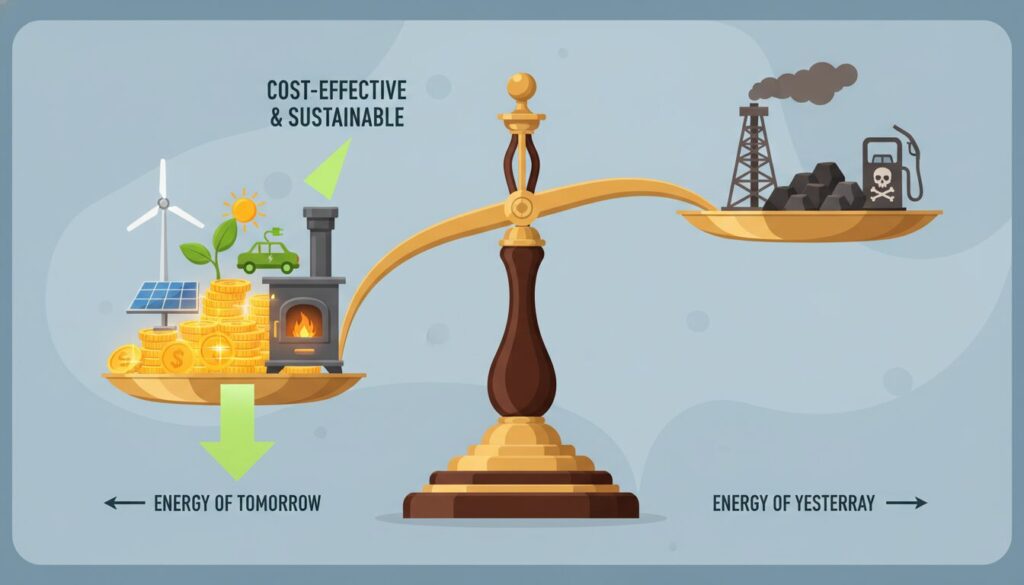
Transitioning to a greener lifestyle or sustainable corporate model is often perceived as a massive financial burden, but adopting the Wood Pellet actually offers substantial, measurable economic benefits. One of the most compelling arguments for making this switch is long-term cost stability and predictability. Fossil fuels, particularly heating oil and natural gas, are notoriously subject to severe, unpredictable price volatility. These spikes are constantly driven by complex geopolitical conflicts, fragile supply chain disruptions, and wildly fluctuating global market demands. In stark contrast, the pricing of domestic biomass remains remarkably stable over time.
Because it is manufactured from local forestry operations and regional agricultural residues, the biomass supply chain is highly localized, largely insulating it from international crises and foreign embargoes. For the everyday consumer, heating a home with this reliable form of alternative energy often translates to significantly lower winter utility bills. When meticulously evaluating the cost per BTU (British Thermal Unit), biomass frequently undercuts traditional electricity and heating oil, yielding a swift and satisfying return on investment for the installation of a new stove or boiler. Furthermore, progressive governments around the world frequently offer substantial tax credits, green rebates, and financial incentives to actively encourage citizens to adopt Renewable Energy systems.
On a macroeconomic level, the large-scale production of the Wood Pellet acts as a powerful catalyst for rural economic revitalization and development. The industry continuously creates thousands of sustainable, well-paying jobs in forestry management, advanced manufacturing, localized transportation, and global logistics. Traditional sawmills and independent lumber operations instantly gain an entirely new, highly profitable revenue stream by monetizing their historical waste products. By strategically investing in biomass, forward-thinking countries can massively reduce their reliance on expensive, imported fossil fuels, structurally improving their national energy security.
Technological Innovations Shaping the Future of Wood Pellet Production
The dynamic future of the Wood Pellet industry is being rapidly defined by cutting-edge, revolutionary technological innovations. As the global demand for cleaner, incredibly efficient fuel strictly grows, dedicated engineers and research scientists are continuously refining how we harvest, manufacture, and intelligently utilize this vital natural resource. One of the absolute most exciting scientific advancements in the realm of alternative energy today is the commercial development of torrefied biomass, casually referred to in the industry as black pellets.
Torrefaction is an advanced thermal process that essentially roasts the raw biomass in a strictly oxygen-free environment. This significantly and permanently increases the energy density of the material, making it behave much more like high-grade fossil coal but entirely without the devastating, toxic environmental impact. Remarkably, these advanced, next-generation pellets are highly water-resistant. This directly eliminates the costly need for expensive, climate-controlled dry-storage facilities, allowing them to be stored outdoors in the elements, exactly like traditional coal piles at existing power plants. Another major leap forward is the rapid integration of artificial intelligence and machine learning into the manufacturing process itself.
Modern, state-of-the-art pellet plants now utilize sophisticated AI algorithms to constantly monitor the moisture content, particulate density, and chemical binding properties of the raw materials in real-time. This ensures absolute product consistency and optimal combustion quality, minimizing factory waste and maximizing the final energy output. The ongoing evolution of Renewable Energy technology also gracefully extends to the end consumer. Next-generation smart residential stoves can now be easily controlled via Wi-Fi and smartphone apps. These continuous technological enhancements confidently ensure that the biomass industry will lead the international charge in the transition towards sustainable power.
FAQ:
Q: What exactly is a wood pellet and how is it made?
A wood pellet is a small, condensed cylinder of biomass fuel. It is made by grinding down wood waste, such as sawdust and logging residues, drying it, and compressing it under high pressure without the use of artificial binders or glues.
Q: Is burning wood pellets actually good for the environment?
Yes, they are considered a carbon-neutral energy source. The carbon dioxide released during burning is equal to the amount the tree absorbed while growing. Furthermore, it utilizes waste that would otherwise release harmful methane in landfills.
Q: Are wood pellets cheaper than traditional fossil fuels?
In many regions, they offer a more stable and cost-effective heating solution compared to volatile fossil fuels like heating oil or electricity, especially when factoring in their high energy density and available government rebates.
Q: Can a wood pellet stove heat an entire house?
Absolutely. Modern pellet stoves and boilers are highly efficient and can be integrated into central heating systems to comfortably warm an entire home, functioning much like a traditional gas or oil furnace.
Q: How do I store wood pellets at home?
They must be kept strictly dry, as moisture will cause them to expand and disintegrate. It is recommended to store them indoors in a dry basement, a climate-controlled garage, or in specialized weather-proof containers.
Conclusion
The ongoing journey toward a deeply sustainable and environmentally secure future is undoubtedly complex, but proven, scalable solutions like the Wood Pellet are brightly illuminating the path forward. As we have extensively explored throughout this comprehensive guide, the critical global transition away from highly polluting fossil fuels relies heavily on the relentless innovation and adaptability of Renewable Energy. By intelligently transforming natural waste products into a dense, highly efficient, and strictly carbon-neutral fuel, the biomass industry has graciously provided the modern world with a viable, highly practical form of alternative energy.
The exponential, record-breaking growth of the global biomass market, harmoniously combined with profound macroeconomic benefits and continuous, cutting-edge technological advancements, virtually guarantees that biomass will remain a crucial, load-bearing pillar in our international energy infrastructure. Whether it is comfortably heating a rural family home with a cozy, fully automated smart stove or dynamically powering massive, gigawatt industrial facilities to keep the electrical grid online, this compact fuel source is emphatically proving its immense value every single day.
Embracing this green, natural technology is fundamentally not just about reducing harmful emissions; it is about aggressively fostering global energy independence, economically supporting hardworking rural communities, and deeply preserving our fragile natural ecosystems for countless generations to come. The future of energy is undeniably green, beautifully renewable, and incredibly exciting. It is abundantly clear that these small but remarkably powerful pellets will confidently continue to play a monumental, irreplaceable role in intelligently powering our world sustainably.
Watch more:
Top 7 Benefits of Using Wood Pellets.
YouTube: Wood Pellet Vina
Facebook: Wood Pellet Vina
LinkedIn: Wood Pellet Vina
Website: Wood Pellet Vina
Leave a Reply