



Common Mistakes When Using Wood Pellets: A Complete Guide
As the world aggressively shifts toward sustainable and renewable heating solutions, the Wood Pellet has emerged as a true powerhouse in the ever-expanding realm of alternative energy. Homeowners and commercial businesses alike are increasingly adopting this eco-friendly, carbon-neutral fuel to reduce their heavy reliance on traditional fossil fuels, lower their costly winter utility bills, and decrease their overall carbon footprint. The compacted nature of this fuel makes it an incredibly dense and efficient source of heat. However, transitioning to this highly efficient energy source is not always a completely seamless experience for everyone. Many users, both eager beginners and seasoned veterans, unknowingly make critical operational errors that severely compromise combustion efficiency, cause unnecessary wear and tear on their equipment, or significantly reduce the overall heat output of their centralized systems. Whether you are operating a top-tier residential smart stove in your living room or utilizing a heavy-duty commercial pellet machine in a large workshop, understanding exactly how to properly source, store, maintain, and utilize your biomass fuel is absolutely essential for long-term success. In this comprehensive, in-depth guide, we will thoroughly explore the most frequent and costly blunders users commit on a daily basis. By taking the time to learn how to avoid these common mistakes, you can guarantee that you get the absolute best performance, maximum longevity, and highest return on investment from your dedicated biomass heating system.
Choosing Low-Quality Wood Pellet Brands Without Proper Certification

When shopping for winter fuel, it can be incredibly tempting to grab the cheapest bags available on the hardware store shelves to save a few dollars upfront. However, purchasing uncertified, low-quality products is a major misstep that can severely impact the health and efficiency of your heating system. A premium Wood Pellet undergoes rigorous, standardized testing to meet strict industry standards for moisture levels, ash content, and overall heating value. Low-quality alternatives often bypass these essential quality checks and can contain hidden chemical binders, excessive tree bark, dirt, or irregular sizes that can easily jam your feeding auger or internal pellet machine mechanisms. Furthermore, these sub-standard pellets tend to burn much cooler and significantly faster than premium options. This means you will actually end up spending more money in the long run because you have to burn a larger volume of fuel just trying to keep your home comfortably warm. To maximize your financial investment in alternative energy, always look for trusted, recognized certifications like the Pellet Fuels Institute (PFI) or ENplus printed clearly on the packaging. These authoritative labels guarantee that the fuel has been carefully manufactured under strict quality control measures, ensuring a clean, consistent, and highly efficient burn every single time you start your stove.
Storing Wood Pellet Bags in Damp or Humid Environments

Proper, strategic storage is absolutely vital for maintaining the structural integrity and combustion efficiency of your biomass fuel. One of the most common, costly, and devastating mistakes users make is leaving their bulk Wood Pellet supply in damp basements, leaky outdoor sheds, or resting directly on the bare ground outdoors. Wood fibers are highly hygroscopic by nature, meaning they naturally and rapidly absorb moisture from the surrounding ambient air. When pellets get wet or even just slightly damp from high humidity, they physically expand, crumble apart, and quickly revert into useless piles of raw sawdust. Even if this sawdust dries out later, it will never magically regain the dense, compressed cylindrical shape that is strictly necessary for proper feeding and combustion through an automated pellet machine. Losing an entire pallet of fuel to moisture damage is a frustrating and expensive lesson to learn. To actively protect your hard-earned investment in alternative energy, you must always store your bags indoors in a dry, climate-controlled, and well-ventilated environment. If you absolutely must store your fuel outside or in an uninsulated garage, you need to elevate the bags on wooden pallets to keep them completely away from ground moisture condensation. Additionally, meticulously cover the entire stack with a heavy-duty, waterproof, and UV-resistant tarp, ensuring it is securely tied down to prevent any rain or snow from penetrating the perimeter.
Using Incompatible Wood Pellet Types for Specific Heating Systems
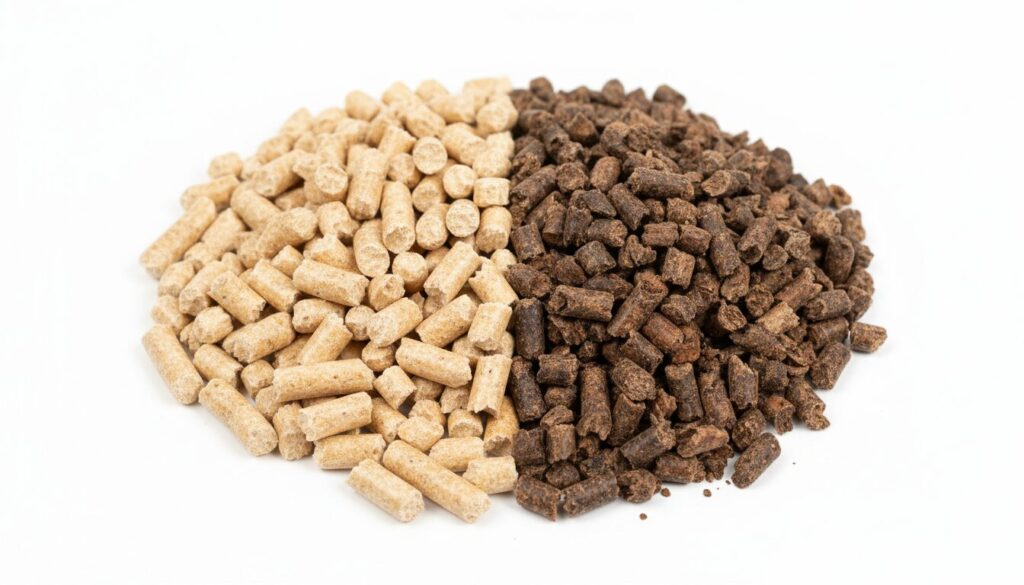
A widespread misconception in the biomass community is that all fuels are created exactly equal. Assuming that any random bag of Wood Pellet will work perfectly and safely in your specific stove, boiler, or grill is a dangerous recipe for disaster and mechanical failure. Different heating systems are precisely calibrated by engineers for specific types of fuel, which are usually categorized into premium, standard, and utility grades based entirely on their inherent ash and moisture content percentages. For instance, high-end, sophisticated residential pellet stoves almost always require premium hardwood or softwood pellets to function optimally and prevent rapid, hazardous soot buildup on the glass and exhaust vents. Conversely, massive industrial boilers or a robust, heavy-duty commercial pellet machine might easily and efficiently handle standard-grade pellets that contain a much higher bark content and generate more ash. Additionally, mistakenly using heating pellets in a backyard pellet grill or smoker can be physically dangerous. Heating fuels frequently contain softwoods like pine or non-food-safe chemical binders that are toxic and definitely not safe for cooking human food. Always take the time to thoroughly consult your appliance’s official user manual to determine the exact, manufacturer-recommended fuel specifications required. Doing so ensures you harness the full, incredible potential of your alternative energy setup safely, effectively, and without voiding any manufacturer warranties.
Neglecting Regular Maintenance of Wood Pellet Stoves and Grills

Shifting your home from a traditional gas or oil furnace to an automated Wood Pellet heating system requires a dedicated, proactive approach to routine maintenance. Unlike traditional wood-burning fireplaces that simply require an occasional chimney sweep, modern pellet appliances are highly complex pieces of machinery equipped with motorized augers, combustion blowers, and sensitive electronic temperature sensors. A glaring, frequent mistake many well-meaning homeowners make is completely neglecting their regular cleaning routines. Over hours of continuous operation, fine fly ash, sticky creosote, and loose sawdust dust inevitably accumulate in the burn pot, the intricate heat exchanger tubes, and the critical exhaust venting system. If left completely unchecked, this restrictive buildup severely chokes off essential airflow, causes wildly erratic temperature swings, and can even eventually trigger highly dangerous, destructive chimney fires. A poorly maintained, dirty stove will forcefully cause the internal pellet machine components to work much harder than designed, drastically reducing the operational lifespan of your expensive appliance and leading to costly repair bills. To truly benefit from this reliable, cost-effective form of alternative energy, you must commit to a strict cleaning schedule. This includes emptying the ash pan frequently, thoroughly scraping and cleaning the burn pot daily or every few days, and proactively scheduling a comprehensive, professional inspection and deep clean at least once a year before the long winter season begins. Consistent, diligent upkeep guarantees optimal heat performance and significantly extends the longevity of your entire heating investment.
Ignoring High Ash Content and Its Impact on Wood Pellet Efficiency

The specific ash content percentage of your chosen fuel is a highly critical metric that directly dictates exactly how efficiently and cleanly your heating system will operate on a daily basis. Unfortunately, many users mistakenly ignore or overlook this vital specification when buying their bulk fuel for the season. A Wood Pellet with a high ash content inherently produces significantly more solid waste after the combustion process is complete. This excess waste quickly accumulates and clogs the perforated holes in the burn pot, effectively smothering the incoming oxygen airflow required for a roaring hot fire. This ultimately results in a weak, lazy, dark orange flame that completely fails to generate adequate room heat, actively forcing your internal pellet machine to consume a much larger volume of fuel just to barely reach the desired thermostat temperature. By ignoring this crucial, fundamental factor, you effectively diminish and negate both the environmental and financial benefits of utilizing alternative energy in your home. Premium-grade pellets generally boast an impressively low ash content of less than one percent, ensuring a much hotter, brighter, and cleaner burn with minimal leftover residue to clean up. Always carefully check the manufacturer’s guaranteed analysis printed on the back of the bag and consistently prioritize low-ash options. Doing so will effortlessly maintain peak thermal efficiency, drastically lower your fuel consumption, and noticeably minimize your daily and weekly cleaning chores.
Failing to Adjust Airflow for Optimal Wood Pellet Combustion

Achieving the absolute perfect, maximum-heat burn is a highly delicate, scientific balancing act between combustible fuel and fresh oxygen. A very common, yet easily correctable oversight is casually loading the hopper with a brand new batch of Wood Pellet fuel but completely failing to monitor and meticulously adjust the appliance’s external air damper. Different pellet brands, and even different wood species within the same brand, have noticeably varying physical densities and internal moisture levels. These subtle differences directly and profoundly affect exactly how the fuel combusts inside the primary chamber. If the damper is open too wide and there is far too much air feeding the fire, the pellets will burn entirely too quickly, aggressively sending your valuable, hard-earned heat straight up the exhaust chimney before it can properly warm your living room. Conversely, if there is far too little air available, the fire will slowly smolder and choke, producing thick, toxic black smoke and excessive, sticky soot that rapidly coats the viewing glass and clogs the internal heat exchange components of the pellet machine. To truly maximize your alternative energy efficiency and get the most heat per dollar, you must closely and regularly observe the physical characteristics of the flame. A properly adjusted, highly efficient flame should always be bright yellow, brisk, and active, rather than dark orange, smoky, or overly tall. Take the few extra minutes to carefully fine-tune the airflow settings every single time you switch pellet brands or whenever you notice an unexplained drop in overall heat output.
Câu hỏi thường gặp (FAQ)
Q: How long can a Wood Pellet be stored before it goes bad?
If stored properly in a completely dry, climate-controlled, and well-ventilated environment, high-quality wood pellets can last for several years without losing their heating efficiency. However, if they are exposed to direct moisture or high ambient humidity, they can physically degrade, swell, and crumble into useless sawdust within just a few short days.
Q: Can I use standard heating pellets in my BBQ pellet smoker?
No, you should absolutely never use standard heating pellets for cooking food. Heating pellets often contain softwoods, tree bark, and sometimes non-food-safe chemical binders that can impart a terrible, bitter taste to your food and pose serious health risks. Always use 100 percent food-grade hardwood pellets specifically manufactured for grilling.
Q: Why does my pellet machine keep jamming?
Auger jams are typically caused by using uncertified, low-quality pellets that easily break down into excess sawdust, or by allowing ambient moisture to reach the stored pellets, causing them to physically swell up. Regular, deep cleaning of the hopper and exclusively using premium, low-moisture fuel will actively prevent the vast majority of mechanical jamming issues.
Q: What happens if I accidentally use wet pellets in my stove?
Using wet or expanded pellets will almost certainly cause a severe mechanical jam in your auger feeding system. The moisture causes the compressed wood fibers to swell rapidly and break apart, turning into a thick, dense sawdust paste that the internal mechanisms of your appliance simply cannot process, ultimately requiring a complete shutdown and a very tedious manual cleanout.
Q: Are all wood pellets considered an environmentally friendly fuel?
Yes, generally speaking, they are widely considered a carbon-neutral alternative energy source because they are primarily manufactured from recycled wood waste, sawdust, and forest thinnings. The natural carbon released during the burning process is roughly equal to the carbon the tree absorbed during its natural lifetime, making it an excellent, sustainable choice compared to coal or heating oil.
Conclusion:
Embracing the incredible power of alternative energy through modern biomass heating is undoubtedly a smart, highly eco-conscious, and financially rewarding decision for any modern household or business. However, to truly and consistently reap the massive benefits this amazing technology offers, users must remain highly vigilant in actively avoiding these common operational, purchasing, and maintenance pitfalls. From carefully selecting a premium, certified Wood Pellet with an exceptionally low ash content to rigorously ensuring your bulk storage area remains completely dry and elevated, absolutely every single step in the process matters. Taking the essential time to fully understand the specific requirements, maintenance schedules, and mechanical limitations of your unique equipment, whether it happens to be a high-tech residential smart stove or a massive, industrial-grade pellet machine, will ultimately save you countless hours of time, thousands of dollars, and immense physical frustration. By carefully studying and diligently implementing the expert best practices outlined throughout this comprehensive guide, you can comfortably enjoy a highly safe, remarkably efficient, and wonderfully warm indoor environment all winter long, while simultaneously doing your crucial part to protect the global environment for future generations.
Watch more:
Top 7 Benefits of Using Wood Pellets.
YouTube: Wood Pellet Vina
Facebook: Wood Pellet Vina
LinkedIn: Wood Pellet Vina
Website: Wood Pellet Vina
Leave a Reply