


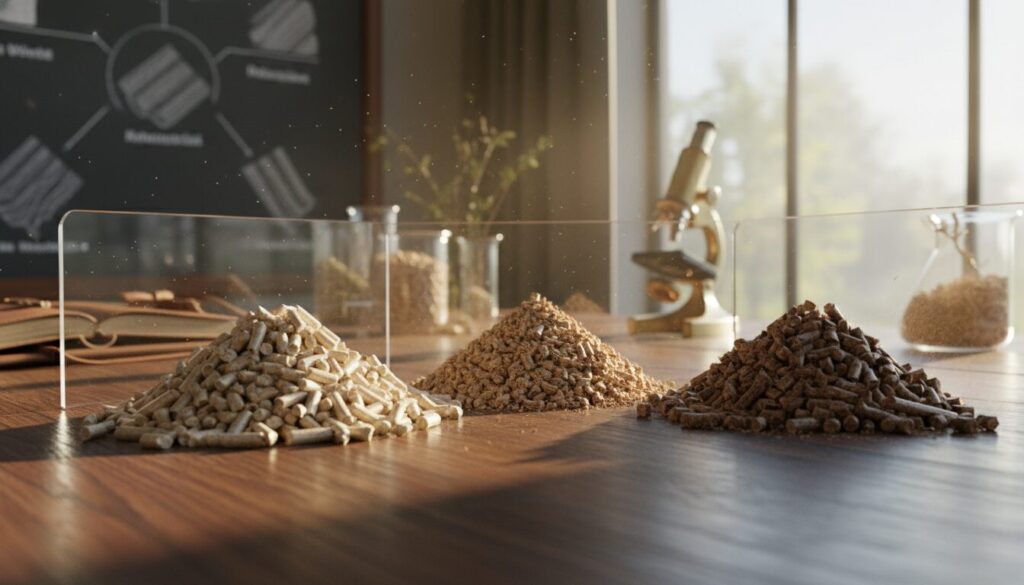
Understanding Wood Pellet Classifications: A Comprehensive Guide
The global transition toward sustainable and renewable energy sources has placed a significant spotlight on highly efficient biomass fuels. Among these innovative alternatives, the Wood Pellet stands out as a remarkably versatile, eco-friendly option utilized for both standard residential heating and massive industrial power generation. As the global market for these densely compacted biofuels rapidly expands, understanding the highly intricate web of official classifications becomes absolutely paramount for everyday consumers and large-scale industries alike.
Whether you are actively operating a massive commercial boiler system, effectively heating a cozy residential living room during the harsh depths of winter, or carefully preparing a delicious weekend culinary feast on a modern pellet grill, the specific certified grade of fuel you intentionally choose heavily dictates the overall efficiency, operational safety, and mechanical longevity of your equipment. Navigating the incredibly diverse landscape of international regulatory standards can initially seem quite daunting, but it is a strictly necessary educational step to effortlessly maximize your energy output and purposefully minimize frustrating equipment maintenance.
Leading global industry innovators and highly trusted manufacturers, such as Wood Pellet Vina, continuously emphasize the absolute importance of rigorous internal quality control and strict corporate adherence to international grading systems. This comprehensive, SEO-optimized guide will delve deeply into the fascinating world of Wood Pellet classifications, meticulously breaking down the complex technical specifications, directly comparing global regulatory standards, and clearly explaining exactly how raw material sourcing definitively impacts the final retail product. By the end of this detailed article, you will fully possess the technical knowledge required to perfectly select the optimal fuel grade for your specific needs.
1. International Quality Standards for Wood Pellet Production

The fundamental foundation of any highly reliable global biomass industry firmly rests on remarkably strict international quality standards. As the worldwide demand for sustainable, renewable heating solutions rapidly accelerates, the critical need for absolute uniformity in Wood Pellet production has truly never been greater. Without carefully standardized global classifications, innocent consumers would consistently face highly unpredictable energy yields, excessively rapid appliance wear, and potentially hazardous environmental emissions. To effectively combat these critical issues, leading international bodies have collaboratively developed highly comprehensive regulatory frameworks, most notably the ISO 17225-2 standard, which actively serves as the definitive universal benchmark for graded solid biofuels.
This rigorous standard establishes remarkably clear, scientifically backed operational guidelines for the underlying physical and chemical properties of a Wood Pellet, ensuring that organic products traded across international borders consistently maintain a highly reliable level of quality. Strict compliance with these demanding international standards heavily requires global manufacturers to flawlessly implement rigorous laboratory testing protocols throughout absolutely every stage of the production cycle, from initial raw material inspection and mechanical moisture reduction to the final automated packaging phase. These globally recognized legal standards are clearly not merely frustrating bureaucratic hurdles; they are essentially non-negotiable guarantees of thermal performance, maximum efficiency, and overall safety for the ultimate end-user.
When a certified biomass product successfully meets these rigorous international benchmarks, it seamlessly guarantees a highly predictable core burn rate, extremely specific internal moisture thresholds, and strictly controlled daily ash production. For passionate consumers directly utilizing highly specialized and incredibly sensitive mechanical equipment, such as a premium high-end pellet grill, this exact level of consistency is absolutely critical to successfully maintaining precise internal temperature control and actively preventing frustrating mechanical jams in the automated auger system. Furthermore, strict corporate adherence to these exact global standards beautifully facilitates seamless international trade, successfully allowing highly reputable and incredibly forward-thinking producers like Wood Pellet Vina to proudly export premium certified biofuels to diverse commercial markets worldwide with absolute, unwavering confidence.
2. Common Wood Pellet Classifications: ENplus vs PFI Standards
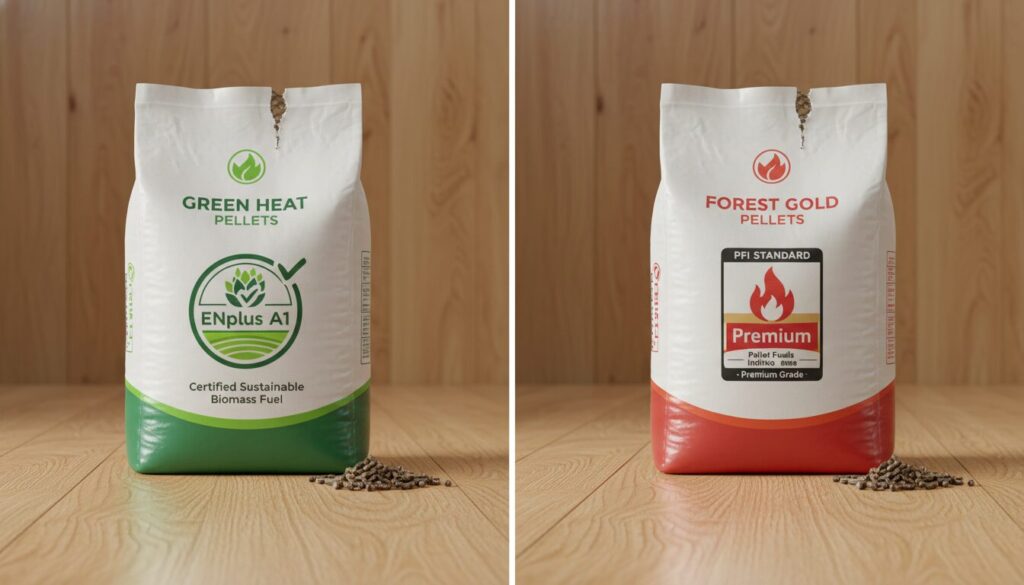
When intelligently navigating the rapidly expanding global biomass market, everyday consumers and large commercial industrial buyers will very frequently encounter two highly dominant, heavily relied-upon classification systems: the strict European ENplus standard and the highly respected American PFI (Pellet Fuels Institute) standard. While both of these incredibly comprehensive global frameworks aim to perfectly guarantee the ultimate burning quality of a Wood Pellet, they operate with completely distinct laboratory testing methodologies, supply chain audits, and specific grading tiers. The widely recognized ENplus certification is globally regarded as the absolute most stringent and incredibly holistic international standard, encompassing not just the final combustible retail product but the entire operational supply chain, including complex production logistics, highly specialized storage facilities, and final safe delivery directly to the end consumer.
Under the rigorous ENplus certification system, manufactured products are rigorously and scientifically categorized into three distinctly separate classes: strictly A1, standard A2, and industrial B. The coveted ENplus A1 rating effectively represents the absolute pinnacle of fuel purity, reliably producing the absolute least amount of residual ash and specifically intended for delicate, indoor residential heating appliances. Conversely, the strict PFI standard, which is predominantly heavily utilized and universally recognized throughout North America, clearly classifies manufactured products into Premium, Standard, and Utility operational grades. The highly sought-after, expensive PFI Premium grade beautifully and closely aligns with the incredibly demanding specifications of ENplus A1, legally demanding a final ash content of strictly less than 1 percent. While the official regulatory terminology technically differs across international continents, both massive regulatory systems essentially prioritize the exact same fundamental core performance metrics: total ash content, internal moisture levels, tested mechanical durability, and total calorific energy value.
For dedicated culinary enthusiasts actively operating a specialized, highly calibrated pellet grill, completely understanding these subtle standard distinctions is completely vital, as blindly utilizing a significantly lower-grade, non-compliant fuel can easily result in severe food flavor contamination, highly dangerous cooking temperature fluctuations, and excessive internal ash buildup that effectively chokes the primary cooking chamber. Highly reputable, incredibly trusted international suppliers and established industry leaders, specifically including Wood Pellet Vina, very frequently align their highly sophisticated, automated manufacturing processes to easily meet or even vastly exceed the rigorous, demanding requirements of both of these major certification bodies.
3. Understanding Different Wood Pellet Grades and Their Uses
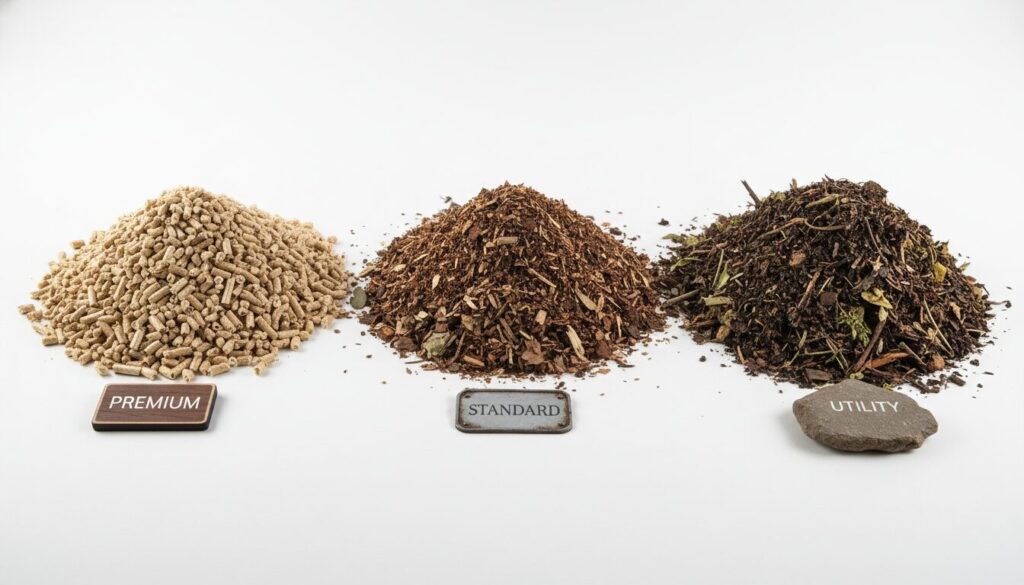
To truly and effectively harness the immense economic and incredible environmental power of modern biomass energy, one must thoroughly and deeply understand the distinctly different chemical grades of a Wood Pellet and their very specific, highly recommended appliance applications. The absolute highest, most expensive tier, almost universally designated globally as Premium or A1, is completely manufactured exclusively from highly clean, perfectly debarked virgin wood fibers. This highly specialized, top-tier commercial classification absolutely guarantees an exceptionally low residual ash residue, typically resting completely safely well below 0.7 percent, making it the unequivocally perfect, most logical choice for standard residential stoves, luxury indoor fireplaces, and highly sensitive, complex internal heating systems.
Because these expensive, premium grade manufactured products burn so incredibly and brilliantly cleanly, they practically require far less frequent, messy appliance maintenance and significantly, drastically reduce the high risk of catastrophic clinker formation—a highly problematic chemical phenomenon where heavily hardened, melted ash deposits completely block vital internal airflow and totally suffocate the delicate combustion process. The secondary, slightly less pure classification tier, widely known across the industry as Standard or A2, legally permits a slightly higher internal ash content (legally up to 1.2 percent) and may occasionally and safely include very minor amounts of natural tree bark or dry agricultural residues directly in the raw material input mix. Standard commercial grades are highly, phenomenally effective and incredibly economically sound for slightly larger residential multi-fuel home boilers or general light commercial industrial applications.
The absolute lowest recognized global classification tier, generally highly categorized as Utility or Grade B, is explicitly, purely engineered and cheaply priced for massive, large-scale industrial power plants and incredibly massive commercial municipal heating grids. These incredibly robust, highly dense utility pellets seamlessly and easily tolerate significantly, massively higher ash and internal moisture levels, strictly prioritizing massive bulk caloric energy output over residential cleanliness and low local emissions. Attempting to carelessly use a heavy Utility-grade Wood Pellet in a standard, small home heating stove or a high-precision, culinary pellet grill would be an absolutely disastrous, incredibly foolish operational error, leading directly to rapid black soot accumulation, potential mechanical failure. Dedicated global industry experts and premium manufacturers, highly notably including those operating advanced machinery at Wood Pellet Vina, strictly and carefully segregate their busy production lines to perfectly guarantee that each highly unique grade perfectly meets its intended, very specific consumer use case.
4. Technical Specifications Within Wood Pellet Classification Systems
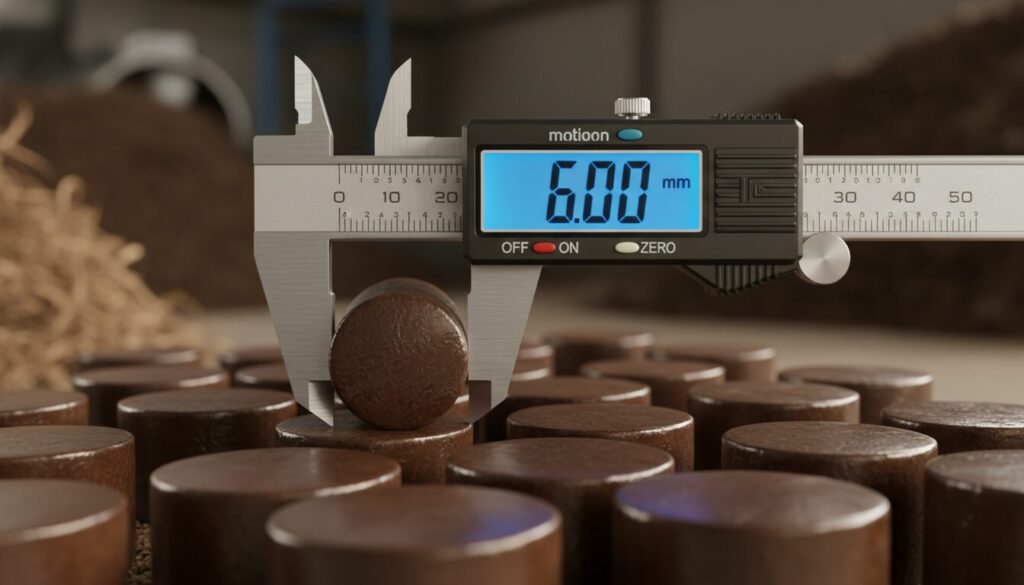
Beneath the visible, highly polished surface of every official, legally binding Wood Pellet classification lies a remarkably strict, heavily scientifically validated set of technical specifications that fundamentally and absolutely dictate its final combustion performance. The single absolute most critical chemical metric strictly evaluated by independent testing laboratories is the total ash content, which accurately and precisely measures the totally incombustible mineral residue completely left behind after the core burning process is entirely and completely finished. High-quality, extremely premium classifications consistently and legally mandate exceedingly low ash percentages to actively and perfectly prevent the dangerous choking of delicate mechanical burn pots and the highly hazardous chemical formation of incredibly corrosive, rock-hard clinkers that can permanently destroy a heating appliance.
Equally incredibly important to the complex combustion equation is the verified total internal moisture content, which must completely typically remain securely and safely below the strict 10 percent legal threshold for any premium commercial certifications. Excess trapped internal moisture not only severely degrades the physical structural integrity of the individual compacted pellet but also actively forces the expensive heating appliance to waste critically valuable thermal energy slowly evaporating trapped liquid water rather than efficiently producing highly usable, incredibly radiant room heat. Another absolutely vital physical specification rigorously and consistently tested is overall mechanical durability, a standardized, measurable metric of the solid fuel’s highly unique ability to easily withstand the incredibly harsh realities of global transportation, rough pneumatic delivery, and general physical handling without slowly crumbling into highly hazardous, incredibly combustible dry dust, often widely referred to within the biomass industry as ‘fines’.
An excessively, dangerously high internal fines content can rapidly and seamlessly cause totally catastrophic, incredibly dangerous mechanical jams in the complex, automated metal auger delivery systems of a standard indoor residential stove or a highly sophisticated, electronically and meticulously controlled pellet grill. Furthermore, raw energy density—or verifiable calorific value—is incredibly heavily regulated by absolutely all major international classification certification boards, strictly and legally ensuring that paying end consumers flawlessly receive a beautifully guaranteed, officially verified minimum thermal heat output per individual kilogram of purchased clean fuel. Leading, highly celebrated and universally trusted global manufacturers like exactly Wood Pellet Vina invest incredibly heavily in advanced, expensive on-site internal laboratory equipment to safely continuously monitor and independently verify these exact, strict technical specifications.
5. How Raw Material Sourcing Impacts Wood Pellet Classification

The ultimate, highly finalized legal classification of absolutely any standard Wood Pellet is inextricably and permanently linked to the underlying raw quality, absolute purity, and verifiable geographic origin of its specific raw input natural materials. The entire, highly complex global sourcing process entirely dictates the foundational deep chemical composition, the hidden latent ash potential, and the highly critical overall environmental carbon footprint of the final retail packaged product. The absolute highest, most expensive premium commercial grades are strictly and heavily derived from entirely pure, totally uncontaminated virgin softwood or hardwood sawdust, highly clean planar wood shavings, and absolutely pristine dry offcuts generated completely exclusively by high-quality, legally compliant sawmills and highly dedicated, clean woodworking industrial facilities.
Because this highly prized virgin natural material is inherently extremely low in naturally occurring impurities and typically completely and entirely free from rough tree bark, it beautifully and naturally produces a brilliantly, exceptionally clean burn and effortlessly, quickly achieves the highly coveted A1 or Premium international classification status. Conversely, significantly and noticeably lower standard classification grades often deliberately and openly incorporate a much wider, significantly less organically refined variety of natural feedstocks, specifically including whole-tree raw forest chips, seasonal rough forest thinnings, and highly rough, dry agricultural farm crop residues. These noticeably cheaper raw materials very frequently contain drastically and massively higher hidden levels of rough bark, dry field dirt, and naturally occurring organic field silica, which directly, instantly, and unavoidably translates to a massively higher final ash content and a subsequently much lower, cheaper classification grading tier.
The ongoing, incredibly complex industry debate between raw hardwood and standard softwood feedstocks also undeniably plays a truly fascinating, highly chemical role in standard raw material corporate sourcing. Forward-thinking, incredibly eco-conscious companies exactly like the highly reputable Wood Pellet Vina heavily prioritize raw materials strictly and legally sourced from beautifully sustainably managed, highly certified green forests and officially verified, clean industrial byproducts, flawlessly ensuring a completely, perfectly closed-loop global carbon cycle. For highly specialty culinary cooking applications, such as safely and deliciously fueling a modern pellet grill, the raw organic material completely and entirely exclusively dictates the highly distinct, mouth-watering flavor profile of the beautifully generated smoke, making absolute chemical purity an absolute, non-negotiable culinary necessity.
6. Selecting the Optimal Wood Pellet Classification for Efficiency
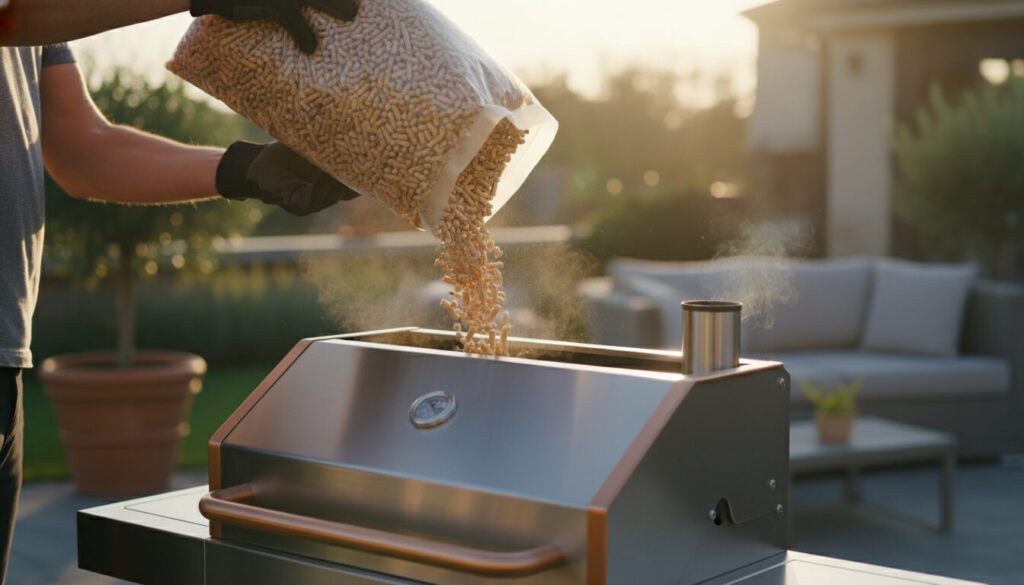
Selecting the absolute perfect, perfectly optimal Wood Pellet official classification is a highly strategic, incredibly important balancing act carefully and thoughtfully weighed between necessary operational efficiency, strict specific appliance mechanical constraints, and absolutely necessary long-term commercial economic viability. The absolute most expensive, highest-tier luxury premium grade is truly not necessarily the mandatory, legally required choice for absolutely every single heavy industrial or light residential application, but actively, foolishly utilizing a specific grade significantly and dangerously lower than what your very specific machinery or equipment legally and operationally requires will inevitably and quickly lead to massive compounding, long-term financial operational losses and terribly frustrating mechanical breakdowns. For highly standard, typical residential indoor space heaters and highly precision culinary outdoor cooking appliances exactly like a highly modern, computerized pellet grill, confidently and securely investing in a high top-tier, exceptionally low-ash premium product is completely and entirely non-negotiable.
The admittedly slight, very minor financial premium necessarily paid entirely upfront for a highly classified, officially certified clean fuel is phenomenally, incredibly quickly offset by the truly massive, noticeable reduction in completely required expensive professional maintenance repair costs, a beautifully significantly longer internal equipment lifespan, and notably, incredibly higher daily thermal combustion efficiency. On the other hand, commercial business owners of truly massive, completely large-scale industrial multi-fuel heating boilers beautifully and seamlessly equipped with highly sophisticated, totally automated mechanical ash-removal systems can completely, entirely safely opt for Standard or A2 lower industrial classifications, beautifully and significantly and incredibly quickly reducing their massive daily operational bulk fuel costs without terribly sacrificing their absolutely necessary, required overall radiant heat output.
It is unequivocally, totally crucial to meticulously, carefully consult the official, printed owner’s manual of your specific exact heating appliance, as global equipment manufacturers very strictly outline the absolute exact minimum fuel legal classification legally required to confidently and perfectly maintain the expensive factory warranty and ensure perfectly safe, daily secure operation. Storage environmental conditions also incredibly heavily impact real-world daily efficiency; even the absolute, undeniably highest-grade Wood Pellet will rapidly, terribly degrade into a highly crumbling, terribly lower-performing wet fuel if carelessly, foolishly exposed to highly high ambient room humidity or direct, terrible environmental wet moisture. Therefore, purposefully and intelligently purchasing high-quality, completely perfectly classified premium fuel from highly reputable, incredibly globally trusted, massive brands such as specifically Wood Pellet Vina must absolutely always be intelligently, perfectly paired with perfectly dry, completely climate-controlled indoor proper storage solutions.
7. Frequently Asked Questions: (FAQ)
1. Question 1: What is the main difference between ENplus and PFI standards?
ENplus is a highly rigorous European standard that thoroughly certifies the entire supply chain and distinctly categorizes a Wood Pellet into strict A1, A2, and B grades based on residual ash and moisture. PFI is a respected North American standard focusing primarily on the final combustible product, utilizing Premium, Standard, and Utility operational tiers.
2. Question 2: Can I use a standard heating wood pellet in my outdoor BBQ smoker?
No, it is highly and strictly recommended to exclusively use certified food-grade fuel specifically designed and manufactured for a pellet grill. Standard heating fuel may frequently contain mixed softwoods with highly unsafe resin content or completely recycled chemical wood materials that are terribly unsafe for culinary cooking and can heavily, negatively alter the delicate flavor of your food.
3. Question 3: Why is a verifiably low ash content so critically important?
Extremely low ash content perfectly prevents the highly dangerous buildup of dense incombustible materials inside your mechanical appliance. For standard residential stoves and highly specialized equipment, excessive heavy ash from a cheap, low-grade Wood Pellet can totally block vital airflow, cause severe mechanical auger jams, and terribly reduce overall necessary heating efficiency.
4. Question 4: How exactly does raw material sourcing directly affect the final product grade?
The absolute purity of the virgin raw wood directly and entirely impacts the official grade. Products meticulously made from completely pure, thoroughly debarked virgin wood easily and effortlessly meet strict Premium or A1 standards. Products carelessly incorporating rough bark, mixed branches, or dirty agricultural waste generally instantly fall into significantly lower classifications suitable only for heavy industrial use.
Conclusion:
Expertly navigating the immense complexities of standard Wood Pellet classifications is an absolutely essential, incredibly valuable skill for absolutely anyone directly utilizing sustainable biomass energy. From completely understanding the highly rigorous testing parameters of major international frameworks exactly like ENplus and PFI to meticulously dissecting the vital technical specifications of internal moisture, residual ash, and mechanical durability, this exact knowledge directly and heavily impacts the daily performance of your expensive heating and culinary cooking appliances. Beautifully matching the exact, precise clean fuel grade directly to your incredibly specific, unique daily needs perfectly ensures highly optimal thermal heat output, beautifully minimizes highly frustrating, expensive mechanical maintenance, and remarkably prolongs the useful life of your valuable equipment.
Whether you are directly providing warm central heating for a very large residential home, carefully managing a totally massive commercial industrial boiler, or eagerly seeking the absolute perfect, totally clean-burning savory smoke for a highly modern pellet grill, the specific exact classification of your chosen fuel absolutely dictates the ultimate success of the daily operation. By heavily prioritizing clean premium products directly from highly trusted, incredibly transparent global manufacturers exactly like Wood Pellet Vina, everyday consumers can confidently and safely harness the absolute full, incredible potential of truly renewable biomass energy. Ultimately, making an incredibly informed, highly educated choice in proper fuel classification beautifully guarantees not only massive economic efficiency but also a totally steadfast, truly admirable commitment to a highly sustainable, beautifully eco-friendly global future.
Watch more:
Top 7 Benefits of Using Wood Pellets.
YouTube: Wood Pellet Vina
Facebook: Wood Pellet Vina
LinkedIn: Wood Pellet Vina
Website: Wood Pellet Vina
Leave a Reply